OHANAEZE LAGOS: Stakeholders Seek Transparency Over Reconciliation Broadcast, 2026 Electoral Process
By Clement Odum
 Concerned stakeholders within the Ohanaeze Ndigbo Lagos Chapter have called for clarification and greater transparency following a recently circulated video broadcast presented as a reconciliation initiative within the organization.
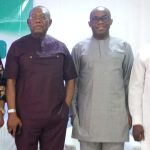
The broadcast features Mr. Solomon Ogbonna, described in the presentation as president arising from a consent judgment, alongside High Chief Sunday Ossai, who is regarded by several stakeholders as the constitutionally recognized President of the Chapter. While the event has been publicly framed as a peace and reconciliation effort, members and stakeholders say certain aspects of the initiative require clarification in the interest of accountability and institutional credibility.
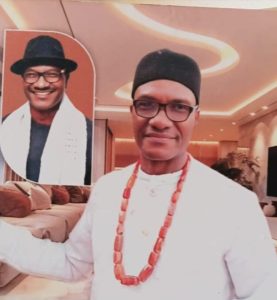
In a statement issued by Apostle Patrick A. Nwanze, JP (Agu-Anioma), President General of Apex Association of Anioma Indigenes Inc and a concerned stakeholder, questions were raised regarding the timing, structure, and procedural implications of the reconciliation narrative—particularly as the tenure linked to the referenced consent judgment is widely understood to be approaching expiration around April 2026.
According to the statement, the authority claimed by Mr. Ogbonna derives from a consent judgment whose duration is finite and whose scope has been subject to varying interpretations within the Chapter. As the period draws to a close, stakeholders say they expect that any forthcoming electoral process should be conducted strictly in accordance with the organization’s Constitution, established conventions, and recognized standards of transparency and inclusiveness.
The statement further referenced reports suggesting possible deviations from these expectations, noting that such developments have generated apprehension among members.
Of particular concern are reports indicating that High Chief Ossai—described by some stakeholders as being under suspension—was proposed as one of two signatories to an account reportedly designated for the 2026 election, alongside a third signatory whose identity has not been publicly disclosed. While no allegation of wrongdoing was made, stakeholders emphasized that, if accurate, such arrangements could raise legitimate questions regarding financial transparency, collective oversight, and confidence in the integrity of the electoral process.
The statement also alluded to perceptions among some members that the involvement of certain power brokers may have contributed to misunderstandings or internal divisions. These claims, it noted, remain matters of opinion and would benefit from open clarification to prevent further speculation.
Additionally, reports circulating within the Chapter suggest that High Chief Ossai was not readily accessible to the public prior to the reconciliation event and later appeared at the gathering. Though unverified, stakeholders stressed the importance of ensuring that all participants in reconciliation efforts act freely and without undue influence.
Concerns were also raised regarding alleged non-compliance with certain provisions of the consent judgment, particularly those relating to collaborative governance with Local Government Area Chairmen and Executives. Stakeholders argue that adherence to agreed terms and full disclosure are essential to preserving institutional integrity.
The statement recalled previous experiences in which critical information relating to a court consent judgment was allegedly disclosed only after electoral processes had substantially progressed. This historical context, it said, has contributed to current apprehensions and underscores the need for openness to avoid renewed controversy.
While reiterating support for genuine reconciliation, stakeholders cautioned that any electoral process perceived to involve limited disclosure, unclear financial arrangements, or insufficient stakeholder engagement risks undermining legitimacy and deepening internal divisions.
Members were encouraged to seek clarification and insist on transparency before participating in any electoral exercise whose procedures remain contested or unclear.
The statement concluded that true reconciliation requires an open and inclusive process in which all parties are afforded the opportunity to freely present their positions. Where mediation becomes necessary, it recommended engagement with a neutral and widely respected Ndigbo body to ensure fairness and credibility.
“The pursuit of peace often comes at great cost and demands moral courage,” the statement read. “It is our hope that all parties involved will act with conscience, restraint, and reverence for God and for the collective good of the organization.”